Pre-sale price: £49 until [CLOSE DATE], then £99.
FOR ANYONE WHO WANTS TO IMPROVE THEIR SPORTS PHOTOGRAPHY
Give me one hour and I’ll show you how to take sports photos like the ones brands pay me for.
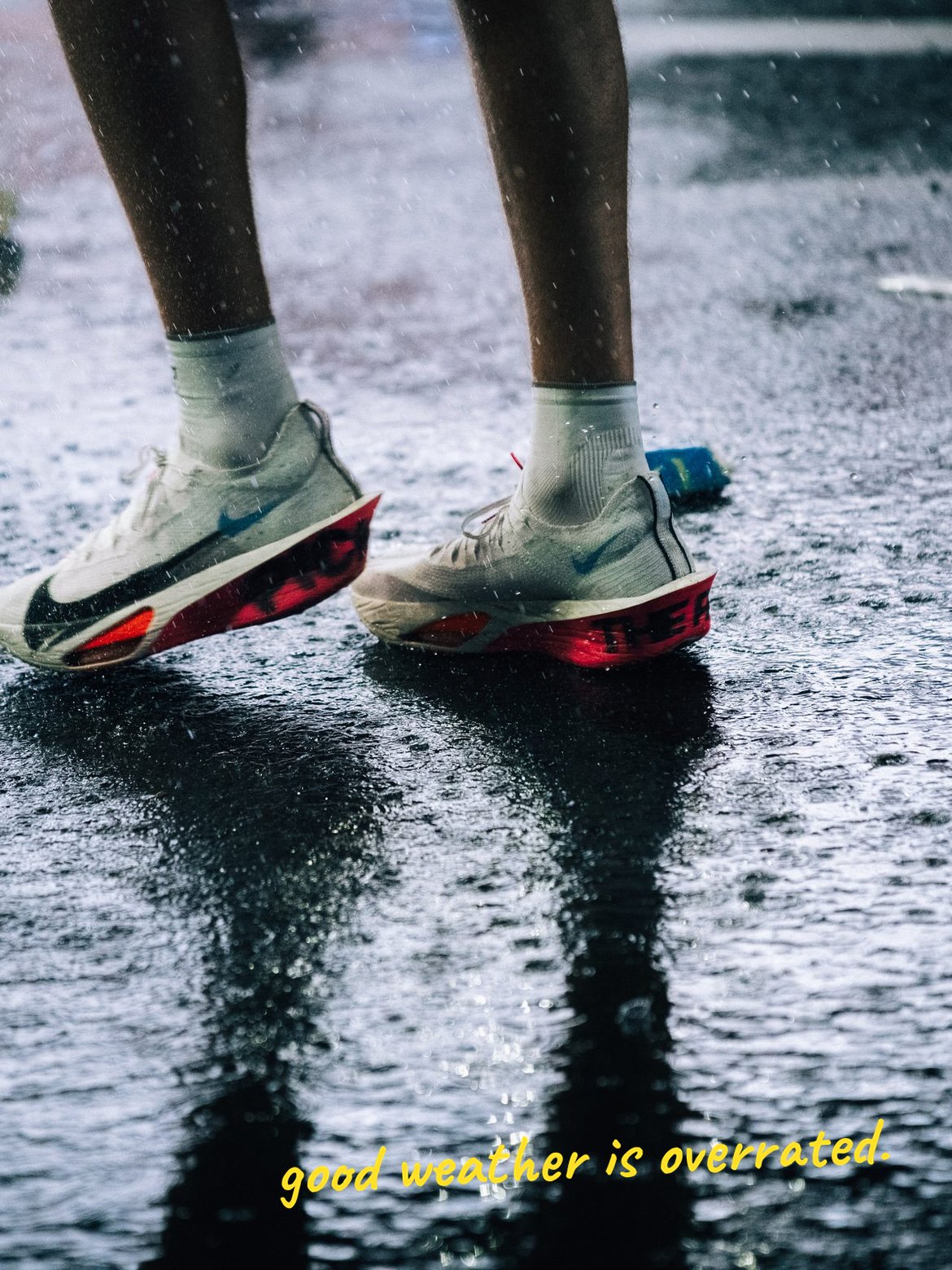
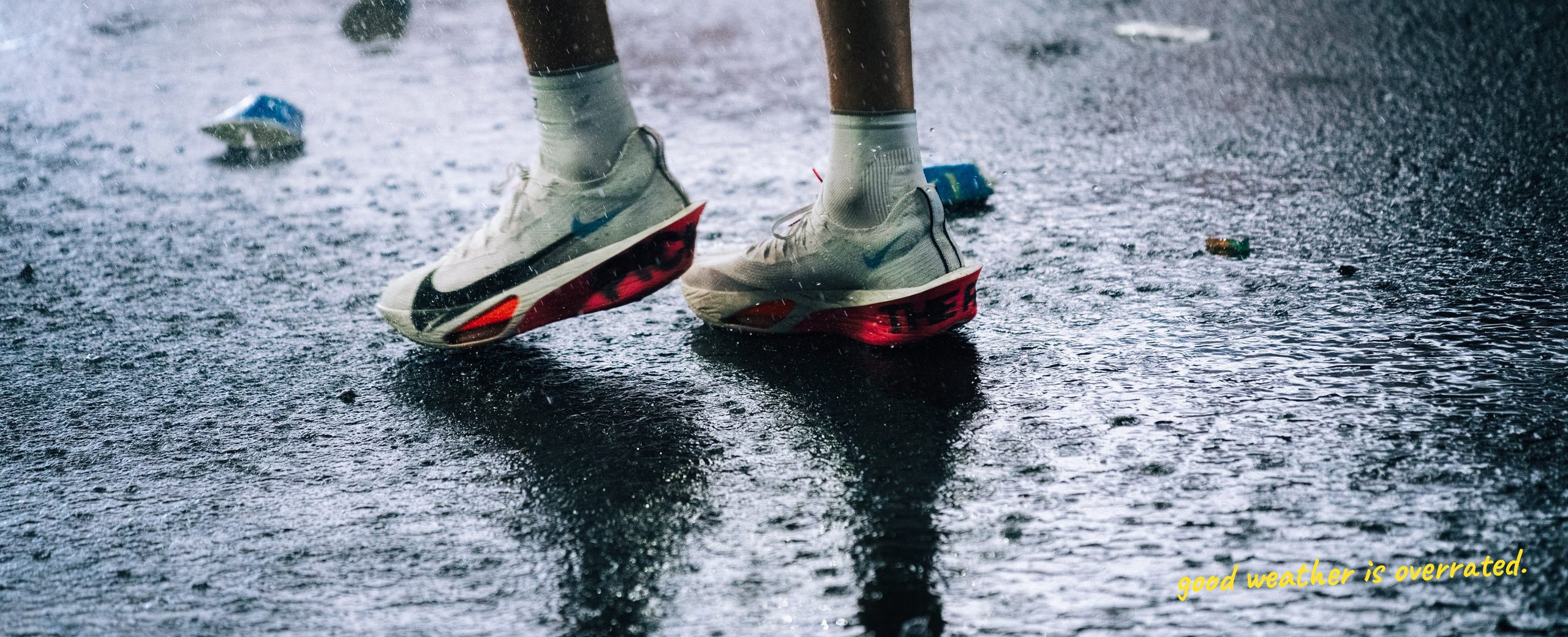
Wherever you are. Even on a rainy day in Stoke.
£49 until [CLOSE DATE], then £99 · 30-day money-back guarantee
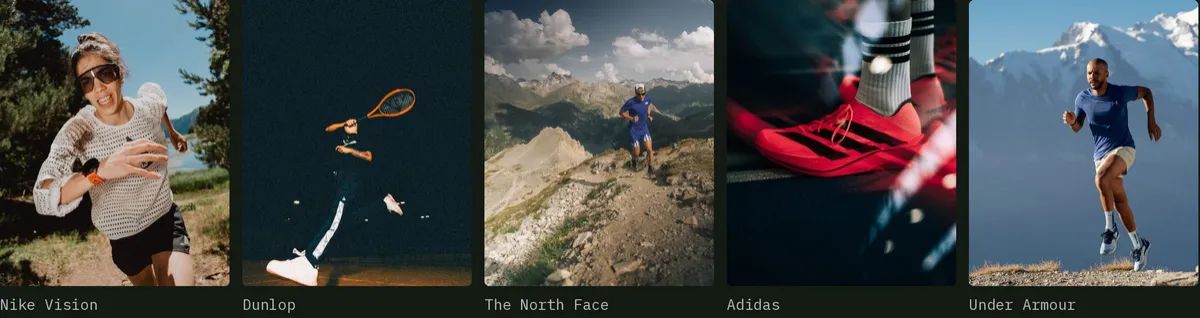
SOME OF THE BRANDS I’VE SHOT FOR






SOME OF THE BRANDS I’VE SHOT FOR

Dear photographer,
You know how this goes.
You get there. The light’s alright. Your subject’s warming up. You find a spot that seems fine.
They come past, you fire a burst. Looks decent on the back of the camera, so you do it again. And again.
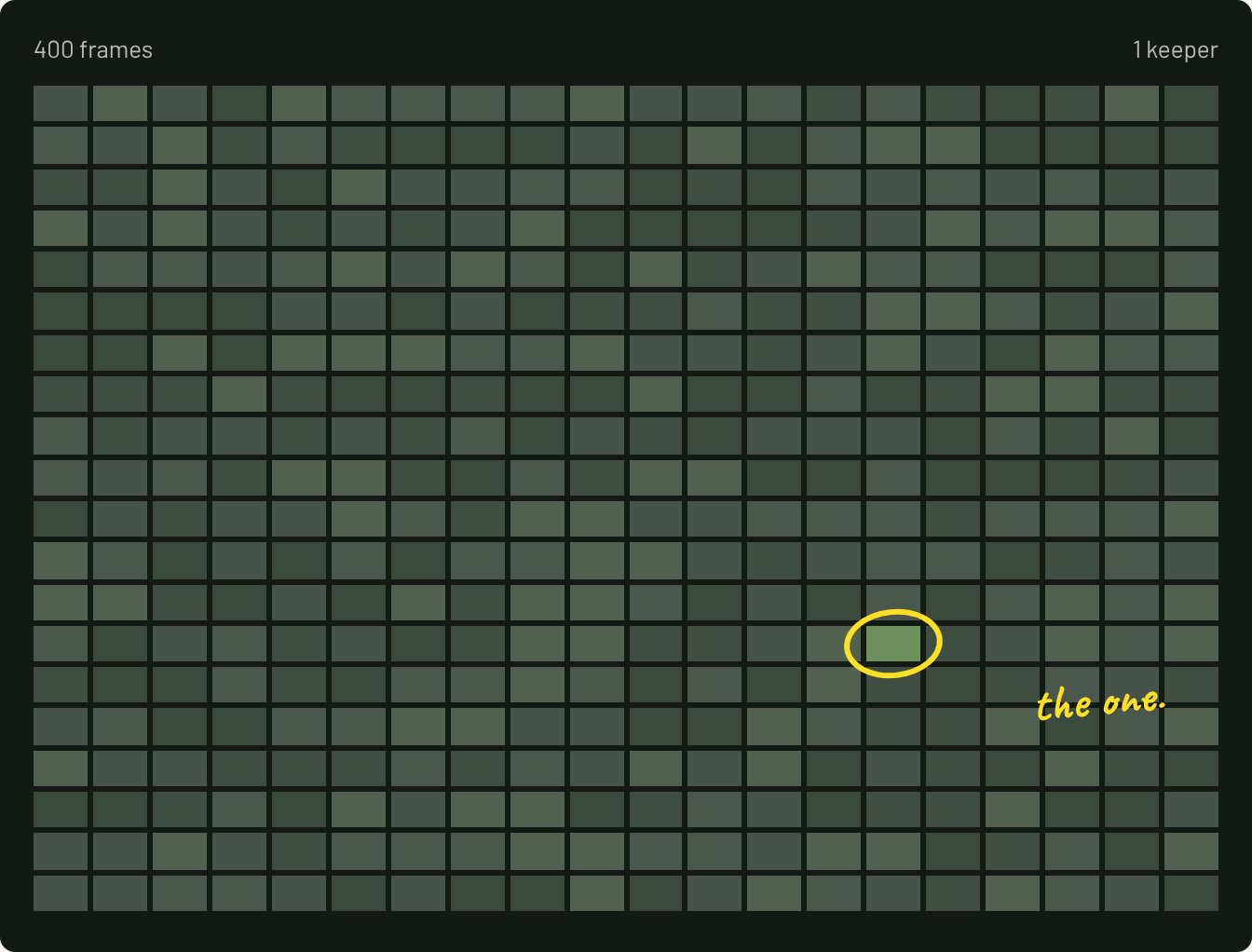
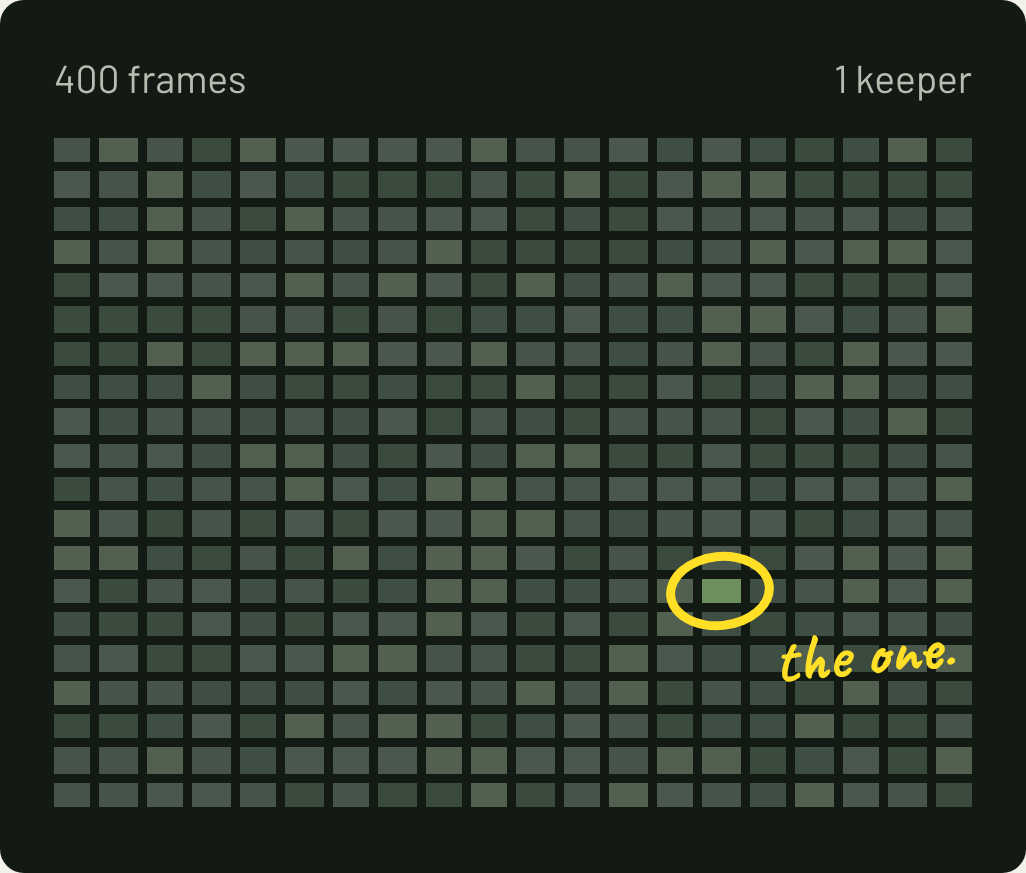
At home you scroll through four hundred frames of basically the same photograph. Most of them are fine. One, if you’re lucky, is properly good. And you can’t really say why, so you can’t do it again.
You’re not short of photos. You’re short of good ones.
I see it all the time. No variation. You’ve just taken the same photo 400 times.
You’ve probably tried to fix it already
Shooting more. Holding the button down and hoping one comes out. Burst mode’s fine, I use it all the time. It just works when you know which moment you’re waiting for.
Free tips videos. Great for one trick. Then you’re on a cold path with a mate waiting, and you can’t remember any of them.
Copying shots you’ve saved on Instagram. You get close to someone else’s photo, taken in someone else’s location.
Presets. They change how a photo looks. They can’t change what’s in it.
Fixing it in post. Taking an average photo and trying to rescue it in the edit. There’s a running joke on shoots: someone spots a bin in the background and says “fix it in post”, instead of just moving the bin. Get it right in the camera and there’s nothing to fix.
None of that is your fault. Nobody shows you what to look for before you press the button.
ON YOUR OWN
Years of trial and error
Thousands more frames
The same photo 400 times
A bit better each year, if you’re lucky
7 Day Sports photographer
One hour and a plan
A simple plan you follow every shoot
Ten different photos, not one photo ten times
Better by Sunday, and you’ll have the photos to prove it
The first way is how I learned. It took me years.
The second is the bit I wish someone had shown me at the start.
It’s not your camera. And it’s not your location.
Whenever I post a shoot from somewhere like Chamonix or the Barbican, someone points out that of course the photos are good. Look at the location.
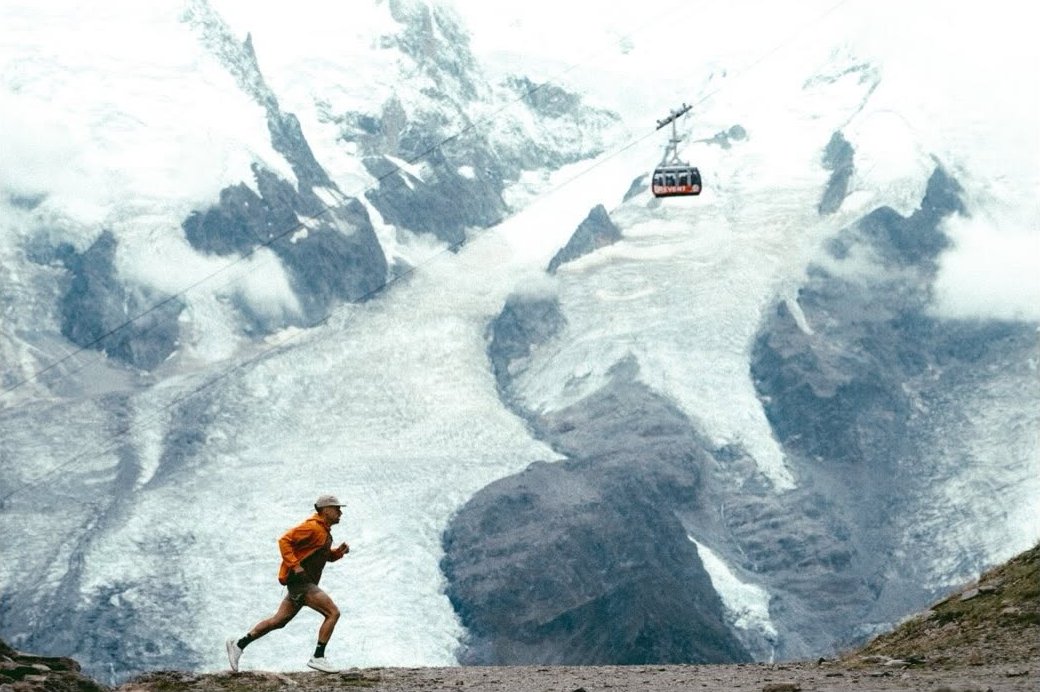
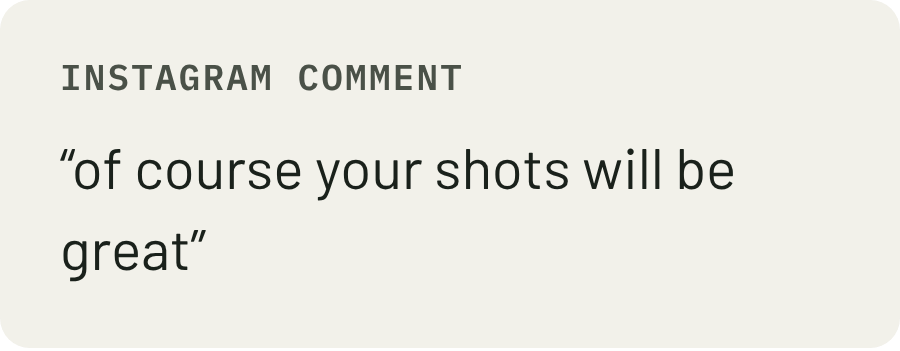
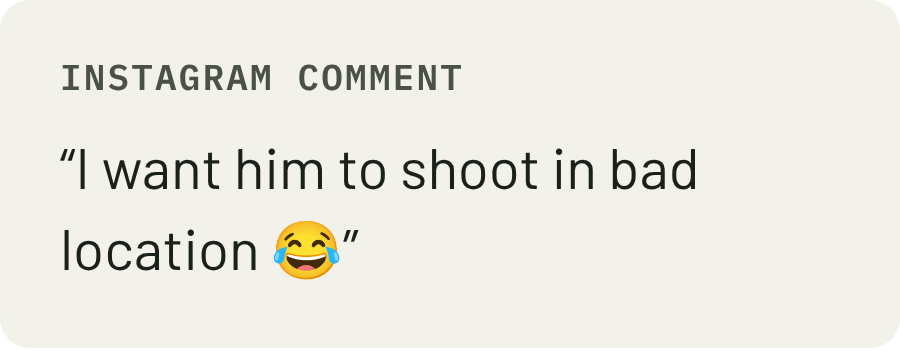
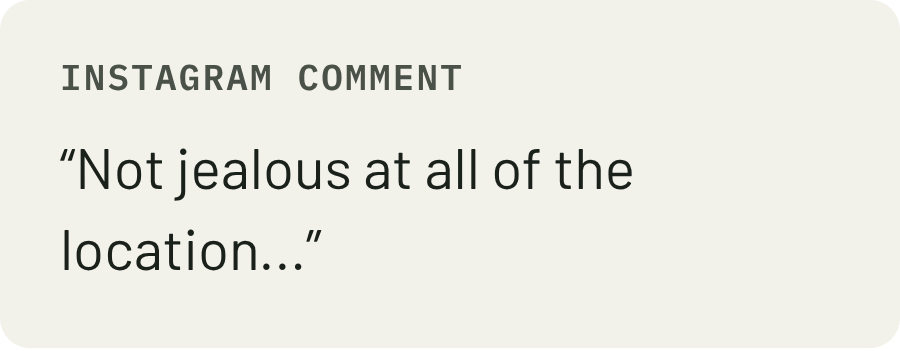
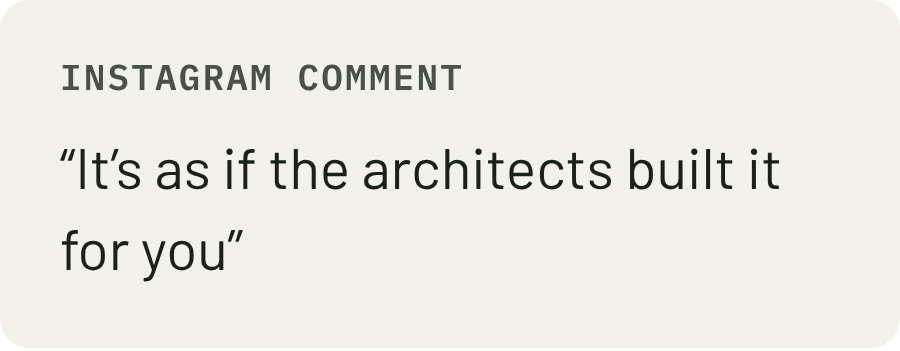
Fair enough. A great location helps. So does great light, and so does great kit. None of them tell you what photograph to take.
When I shot at the Barbican, I got there early and spent ages walking round and round, looking for spots. The location didn’t hand me those photos. Looking did.
If what I do only worked in Chamonix, it wouldn’t be much of a system. The real test is a rainy day in Stoke.
Good sports photos are planned, spotted and waited for. That’s learnable. That’s what this course is.
Here’s what you don’t need
You don’t need Chamonix, a £2,000 lens, a pro athlete or good weather. You need your camera, a mate who’ll run up a hill twice, and a plan. I’ll give you the plan.
From one lucky shot to the whole story
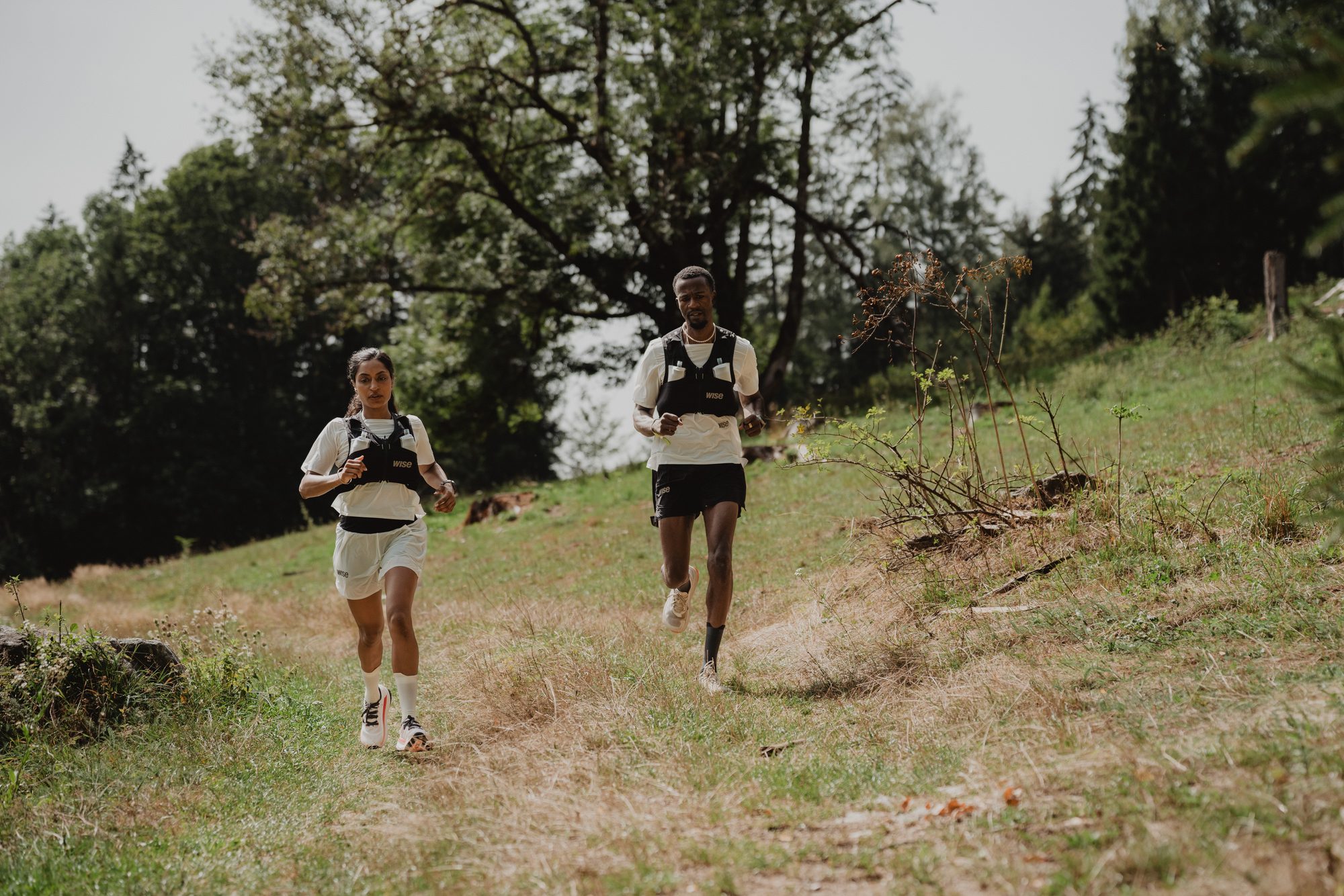
This is where most of us start. Technically fine. Nobody looks twice. Mum might comment.
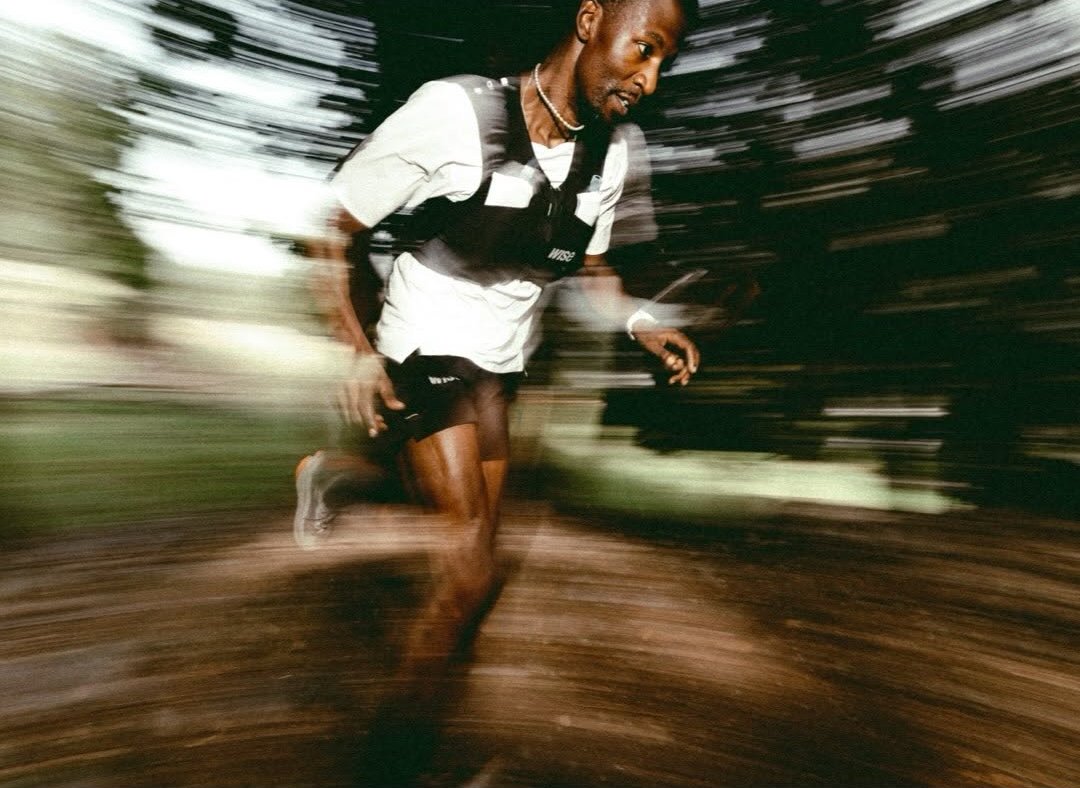
This is one I was proud to post. I know exactly how I got it, and you will too.
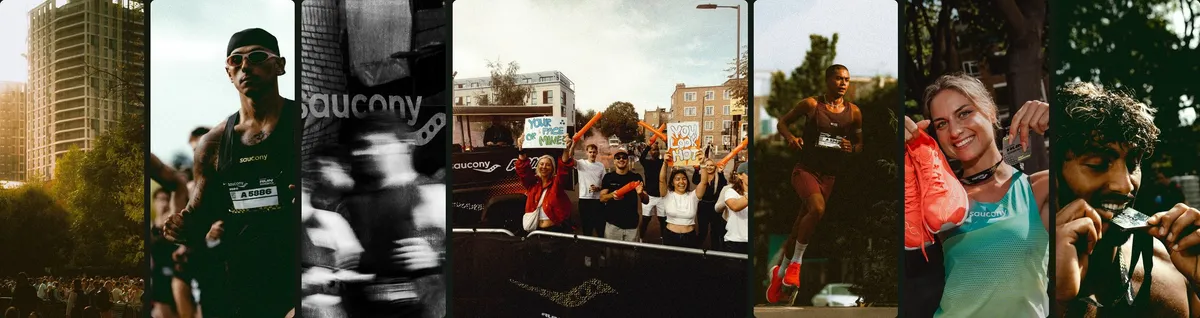
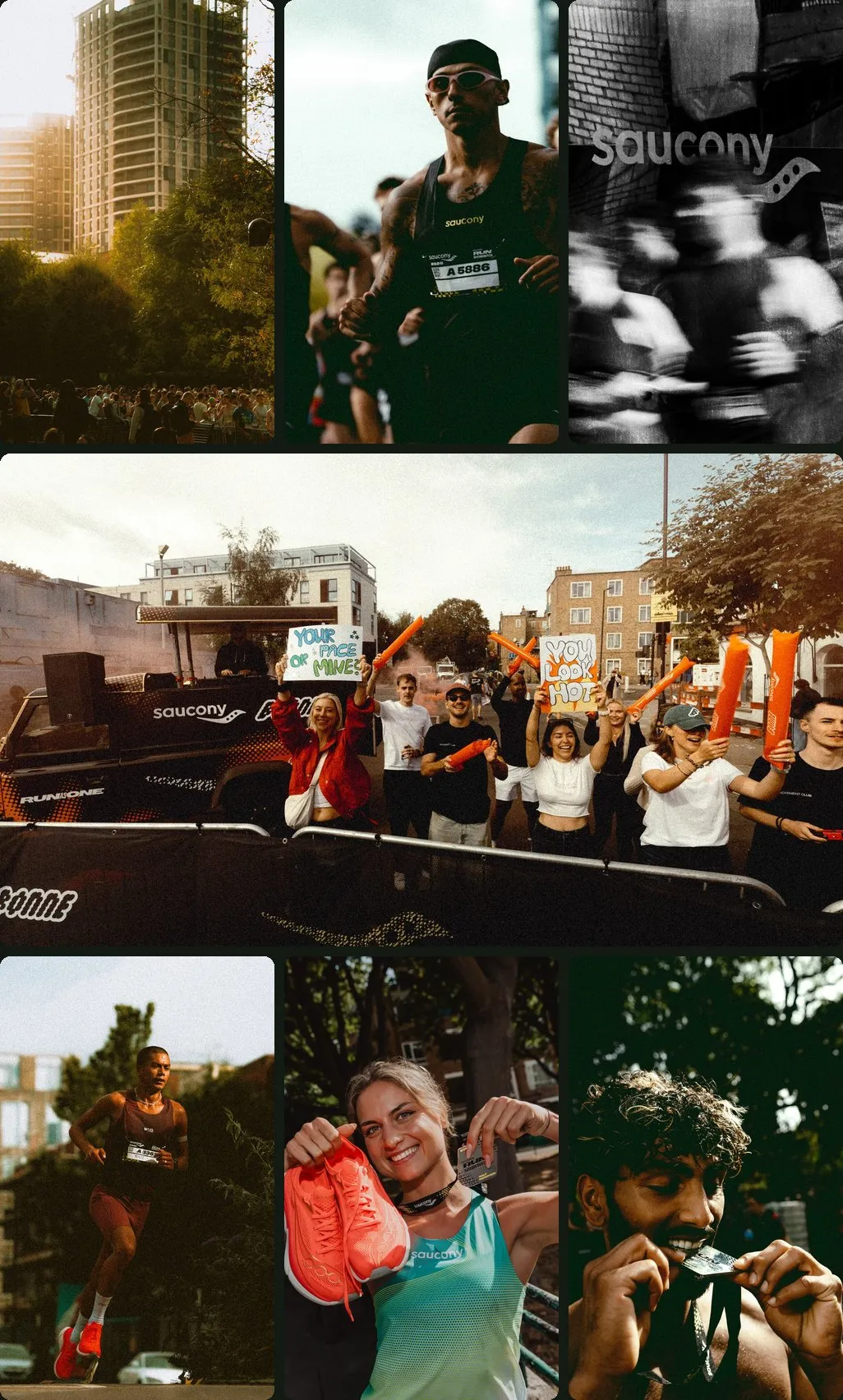
And this is a whole race morning. Tower blocks in the low sun. The start line. The blur of the first mile. The crowd and their signs. Shoes held up like a trophy. Medals in teeth, because apparently that’s the law now.
None of those is the hero shot. Together, they’re a story, and a story gets people swiping to the end.
First you learn to get the one. Then you learn to get the shots around it.
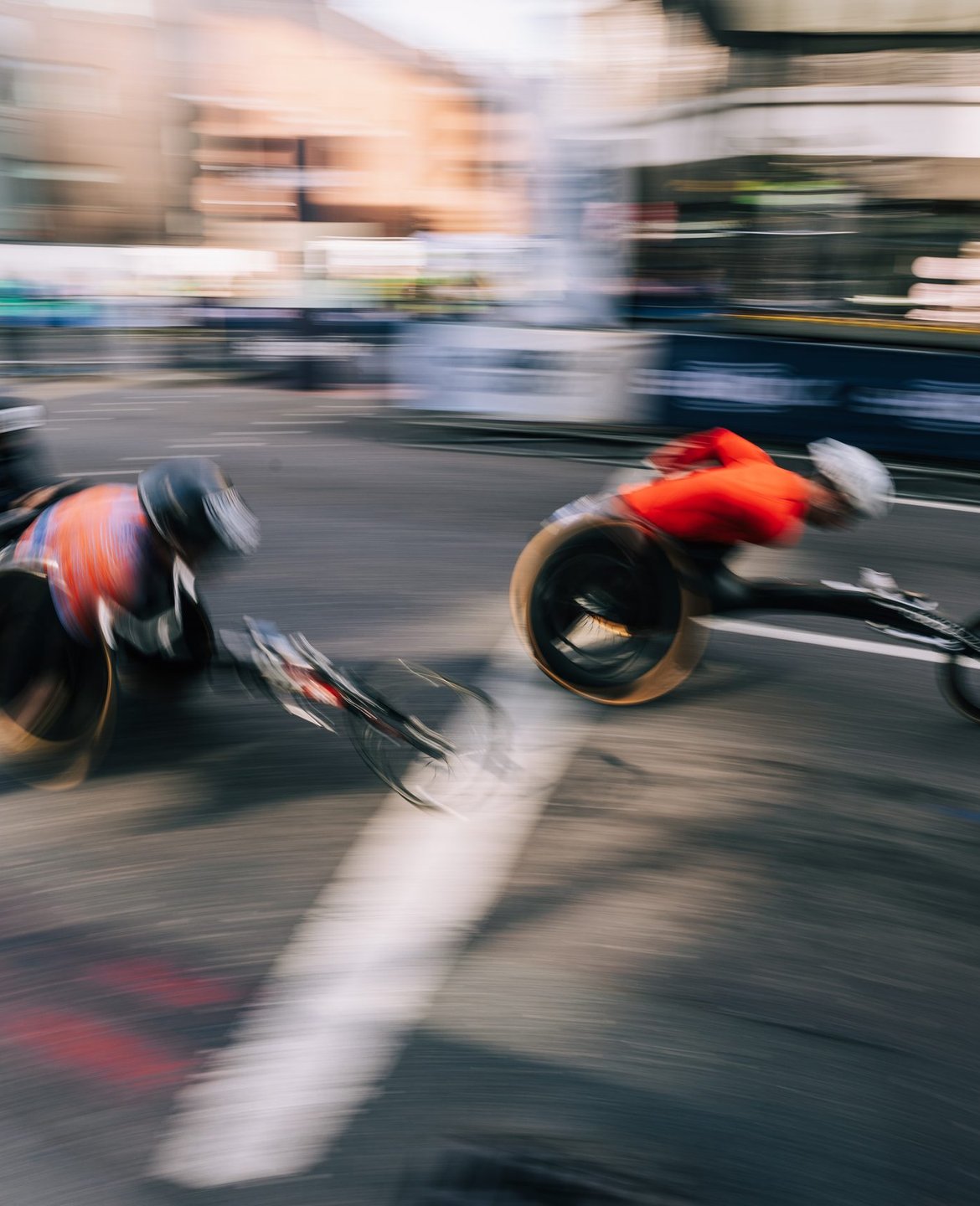
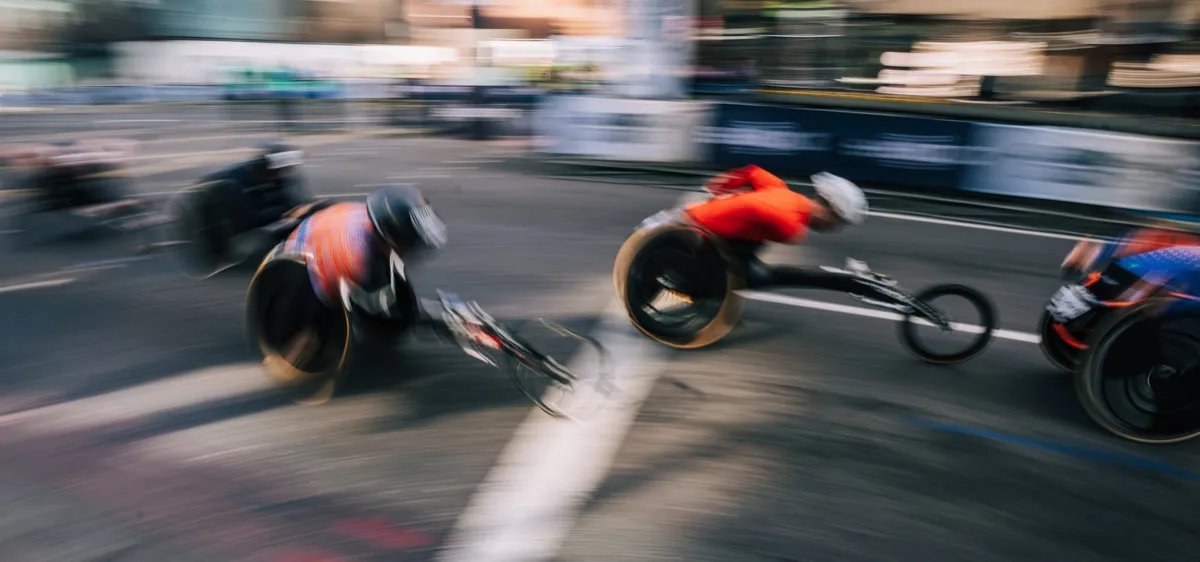
Three shots. A whole shoot’s worth of photos.
You don’t need fifty shot ideas. You need three.
Take those three at the start, in the middle and at the end. Shoot some sharp and some blurred. One person, one location, one morning, and you’ve got a dozen or more photos that all look different.
And that’s before you’ve spotted the puddle.
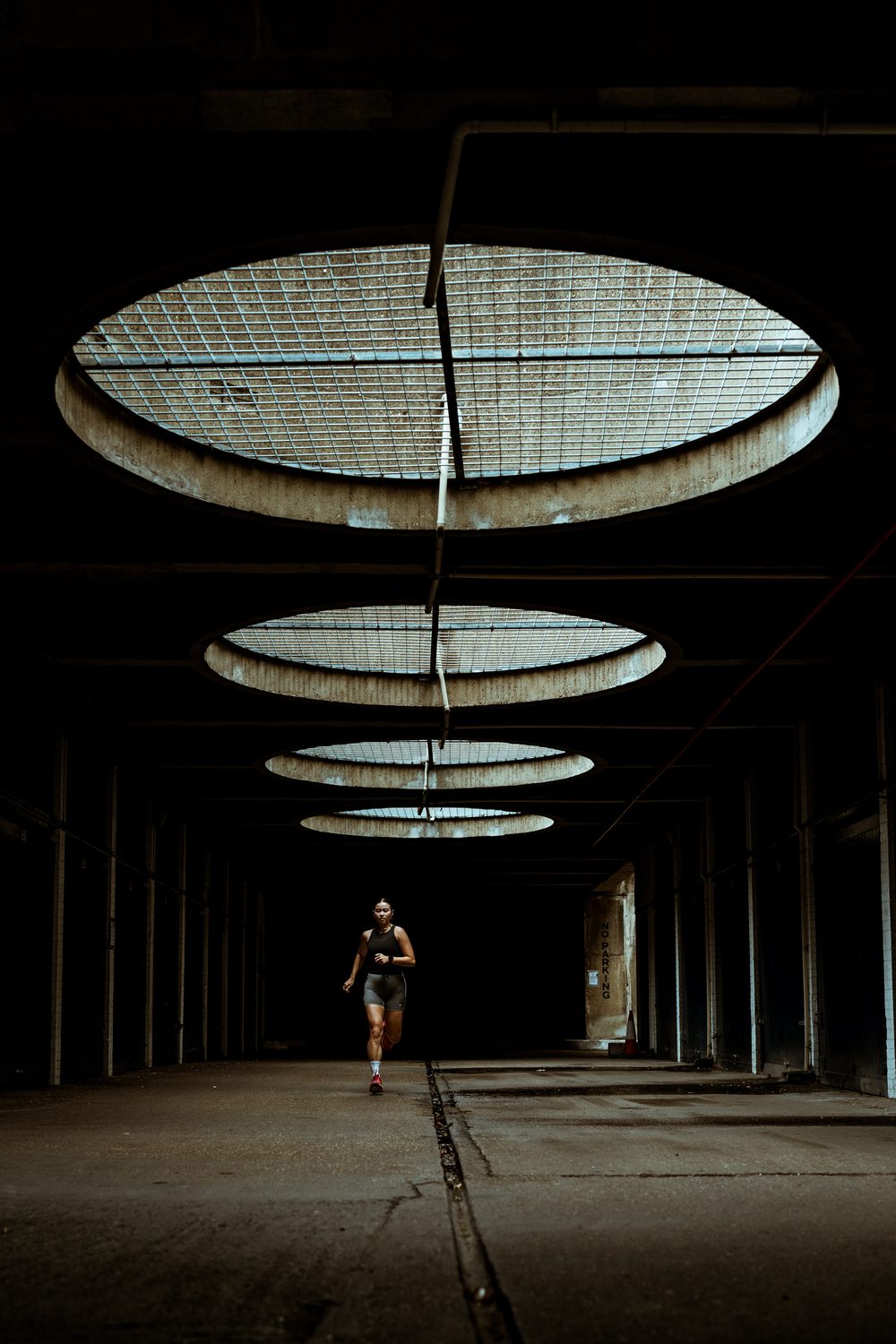
01 /
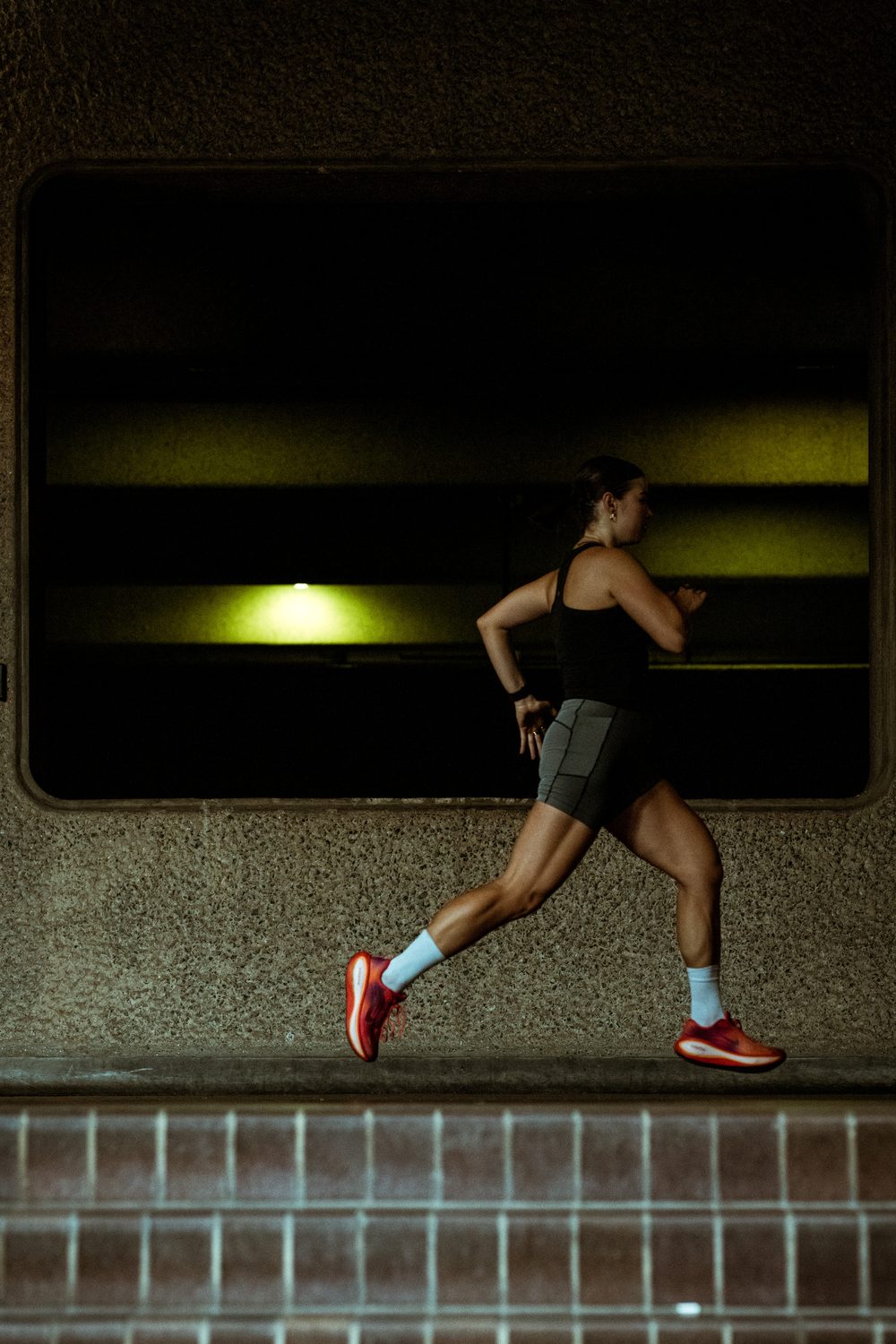
02 /
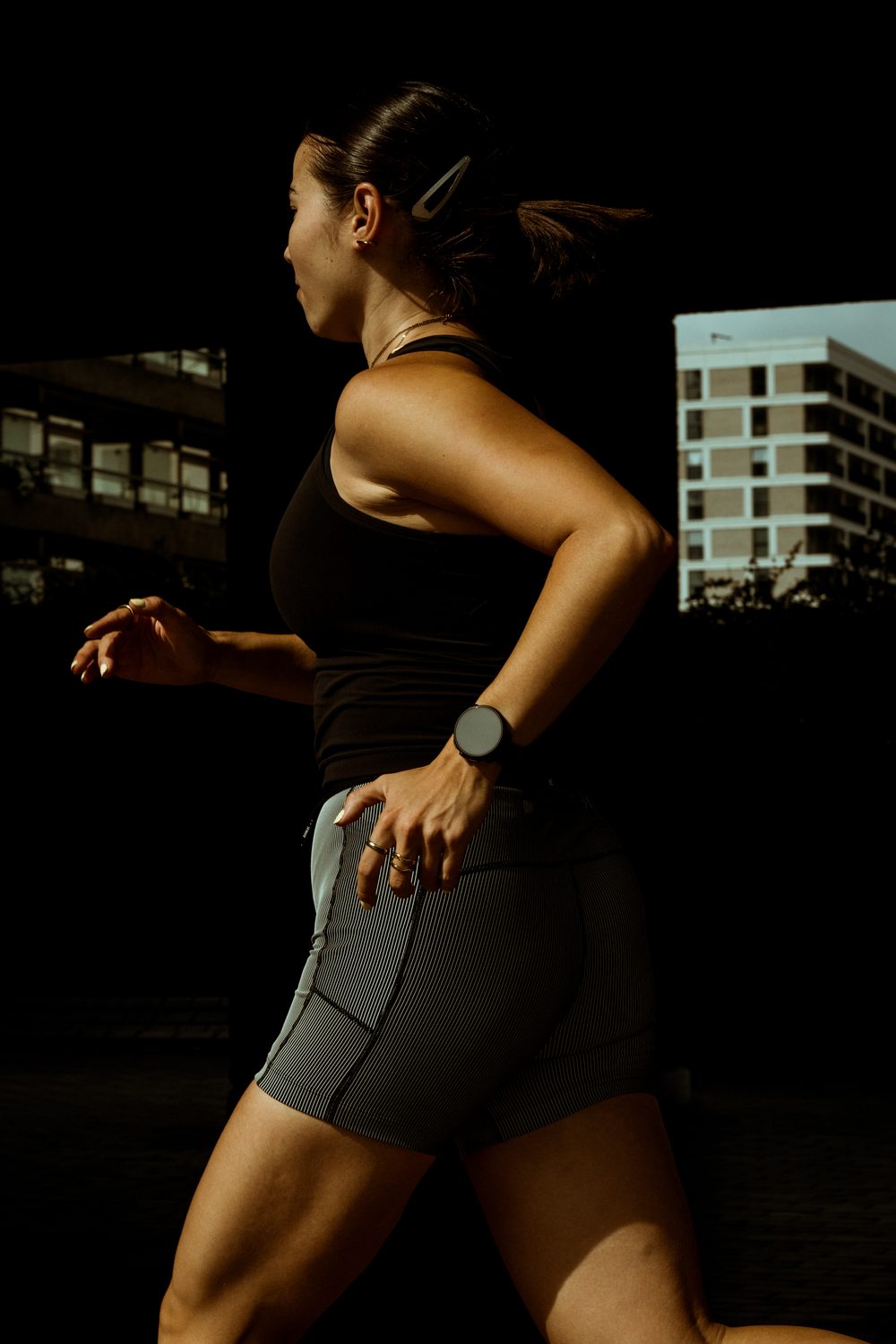
03 /
The same three shots, every shoot. Never the same photos.
Knowing the three is the easy bit. Knowing where to stand for each one, which lens to grab, and how to make the same three look completely different every time is what the course is for.
And then you post it
Sunday night. Six photos from a car park you’ve walked past a hundred times. A wide one, a close-up of the shoes, a blurry one that actually feels fast, the collapse at the end. Every swipe is different.
A mate who shoots messages you: “Where was that?” You know exactly how you got every frame. And you could do it again next weekend.
That’s the bit I can’t promise you likes for. But it’s the bit that feels like you made something.
I don’t just teach this. I shoot it.
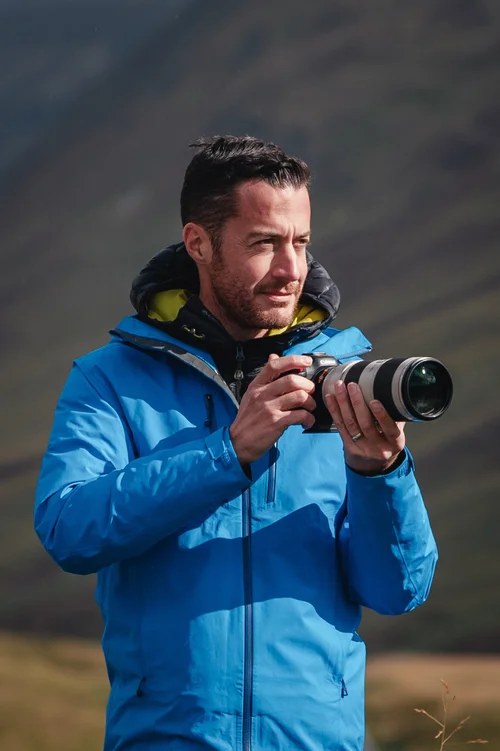
Me, at work.
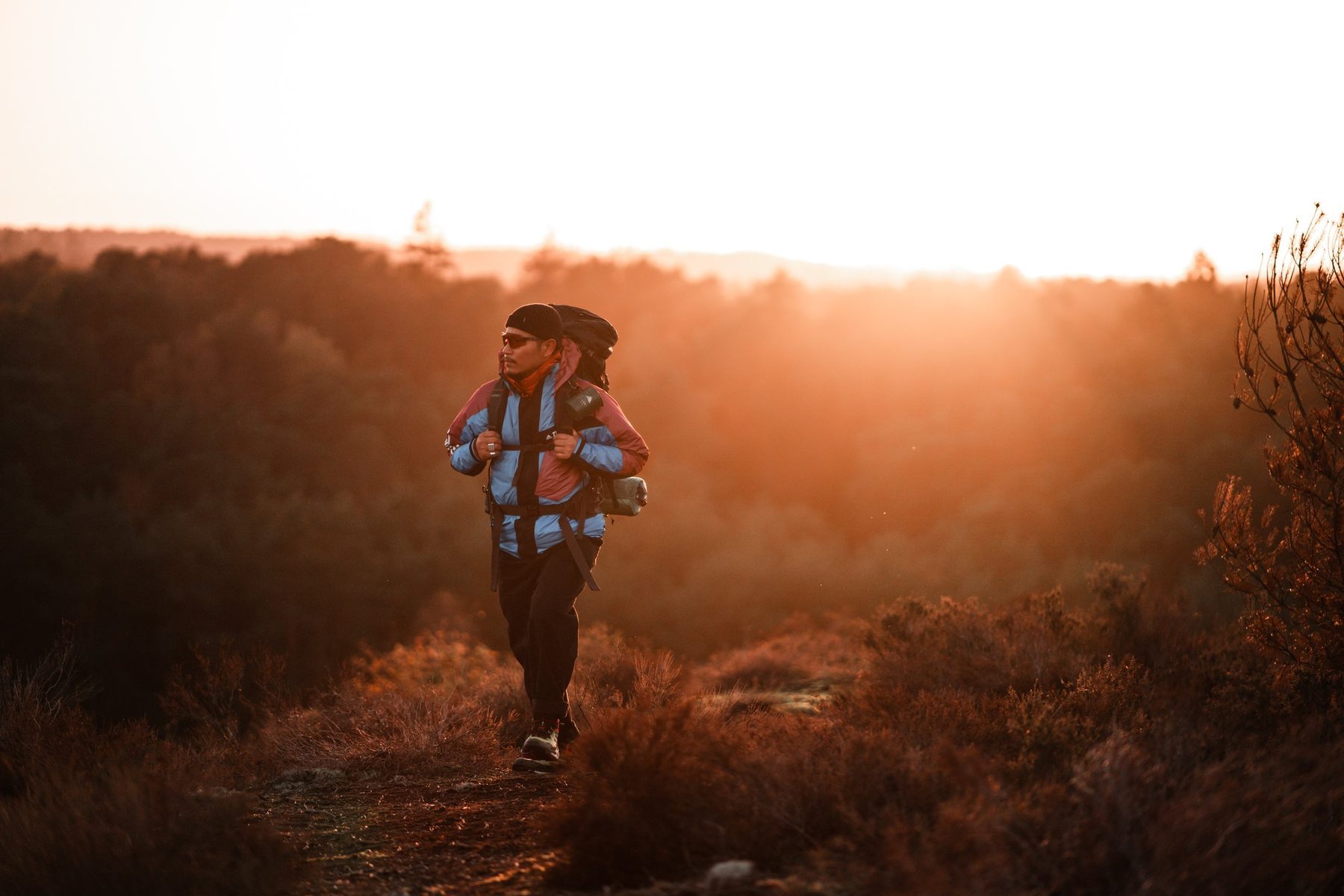
The woods down the road. Nobody was paying.
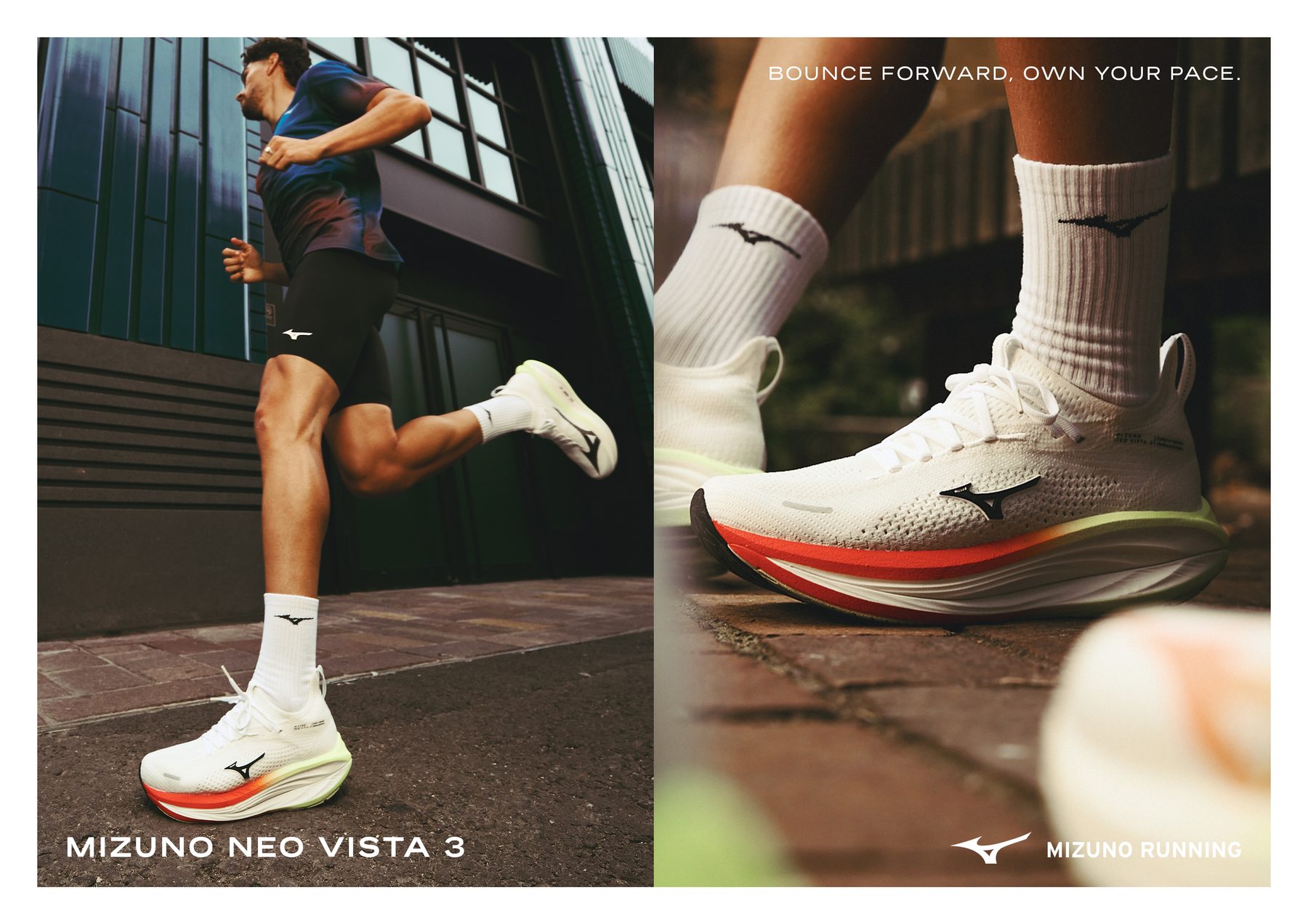
Mizuno. Somebody was paying.
I started out in the woods five minutes from my house, ringing friends to ask if they’d come out so I could get some photos. No brief, no crew, no budget.
Nobody handed me the second one. I got there by shooting, and shooting, and shooting, until I knew what to look for.
11
Years
1,000,000+
Photos
It comes down to three shots and a plan.
This course is the shortcut I didn’t have.
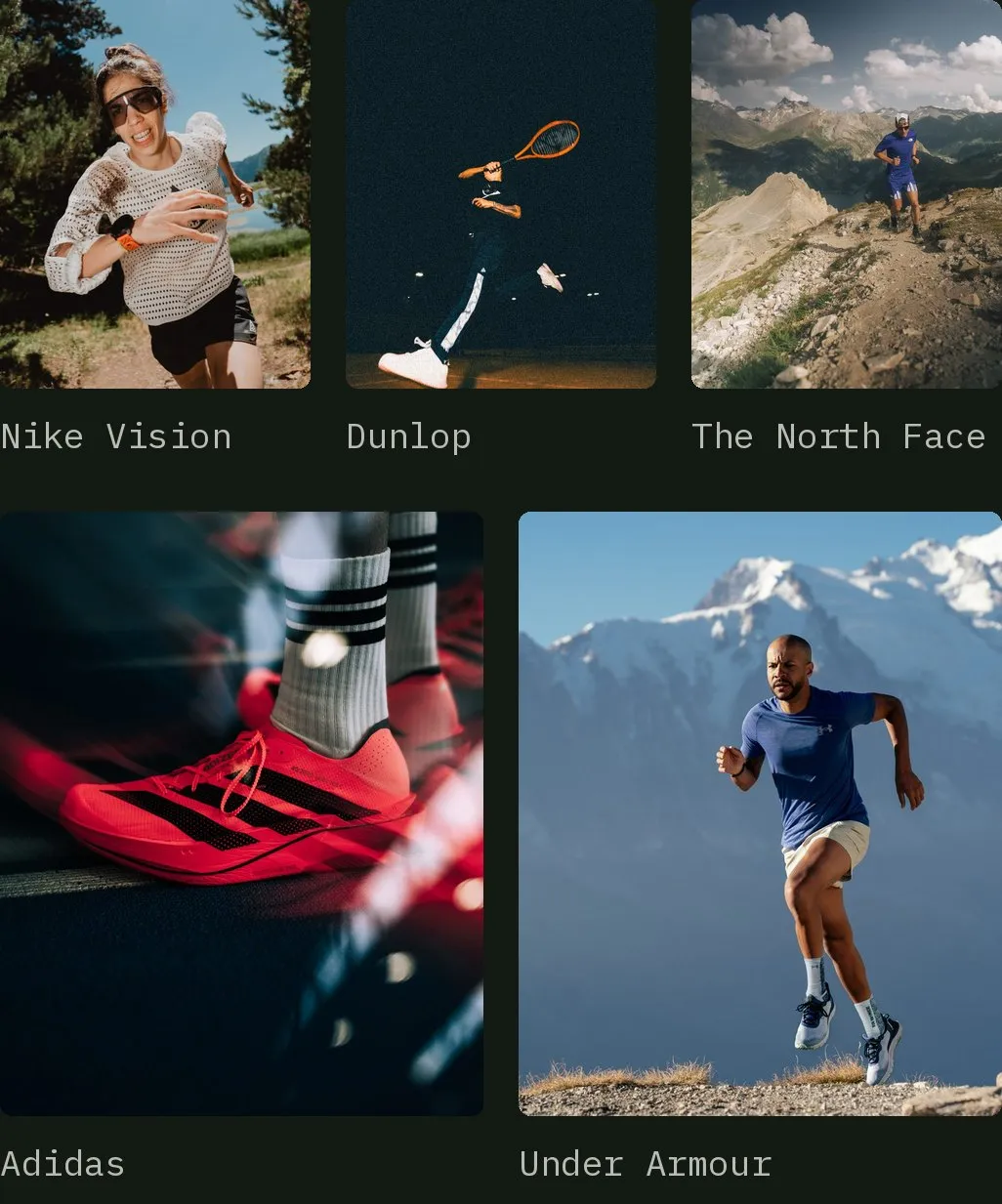
These days it’s a six-figure business, shooting campaigns for brands like these. The biggest single shoot paid £60,000. They all run on the same thinking, just with more people standing around.
This course is that thinking, made to work with your camera, your local spots and whoever you can talk into it.
Introducing
The 7 Day Sports Photographer
A short course that takes you through one real shoot: the plan, the three shots, the moments around them, and the edit.
There’s no mountain of lessons on every setting your camera has. Just one shoot, done properly, that you can repeat wherever you are.
What's inside
Lesson 1
The plan
Why the spot that “seems fine” is the reason all 400 frames look the same, and what to look for instead.
What to do with the shots you’ve saved on Instagram, so you stop copying someone else’s photo in someone else’s location.
A plan that fits on your phone, so you’re not trying to remember a dozen tips on a cold path while your mate waits.
Lesson 2
The three shots
The three shots behind every set I shoot, so you come home with ten different photos, not one photo ten times.
Why your one good photo worked, so next time you get it on purpose.
Freeze it or blur it: the setting that makes a runner look fast, not stuck to the road. Starting settings for both.
Which lens to grab for each shot, and why you don’t need a new one to get them.
Lesson 3
The moments around them
The laces, the nerves at the start, the grimace halfway: the shots nobody plans that turn a pile of photos into a story people swipe to the end of.
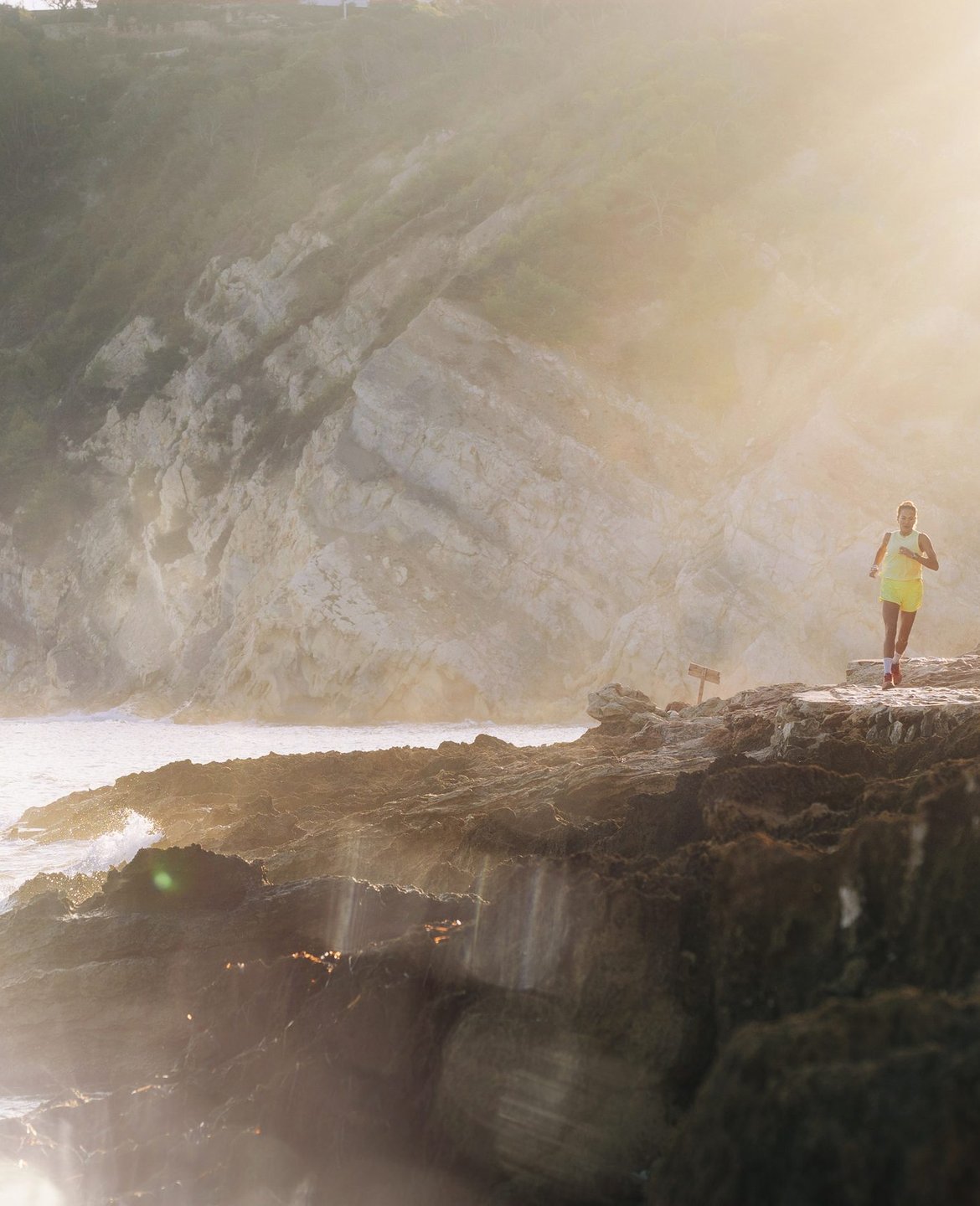
How to get a good set out of a car park on a grey Tuesday. No Chamonix required.
What to ask your mate to do. They don’t need to be fast, just willing to run up a hill twice.
Lesson 4
The edit
How to get from 400 frames to the handful worth posting, in the order that keeps people swiping.
A clean edit that finishes a good photo instead of rescuing a bad one.
After the lessons
Then seven days of practice, one skill a day
Watching me won’t make your photos better. Practising will. So after the lessons you get a seven-day practice plan. Each day you go out and practise one skill: freezing the action, blurring it, the wide shot, the mid, the detail, the moment before, then a planned shoot that puts it all together.
Twenty minutes or so, with whoever’s around: a mate heading out for a run, the dog in the park, the kids on the trampoline.
On Day 1 you photograph your subject the way you always do. On Day 7 you go back to the same spot and do it again, with everything you’ve practised. After that, every shoot is practice.
Plus, you’ll see all of it on a real shoot, so you learn what I’m noticing, not just what I’m pressing.
Everything you get
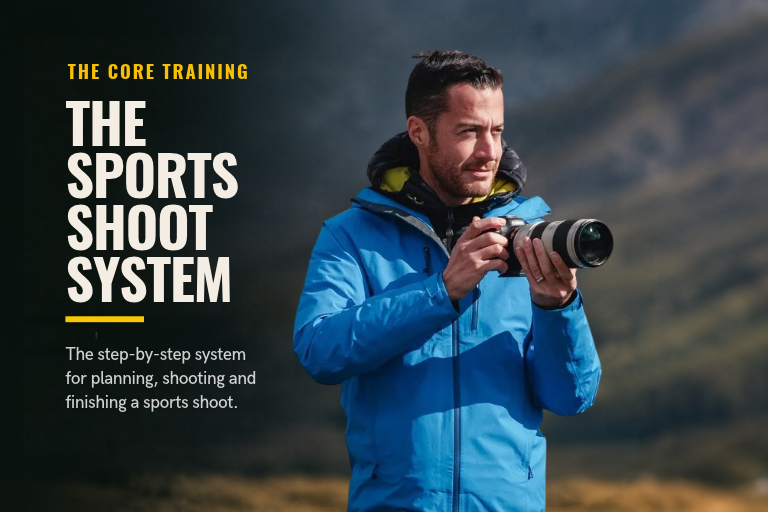
The Sports Shoot System
The step-by-step system for planning, shooting and finishing a sports shoot, shown start to finish on a real one. Short, practical lessons. Watch it, then go and use it.
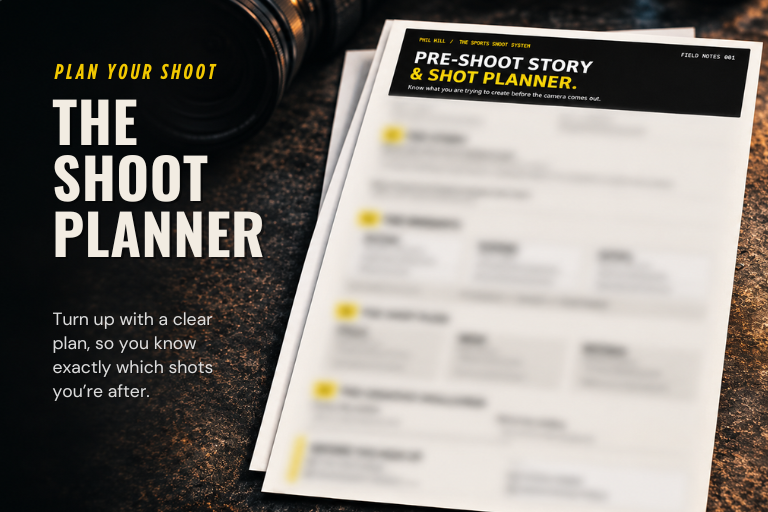
The Shoot Planner
Turn up knowing exactly which shots you’re after, instead of working it out while your subject stands about getting cold. Plus one I’ve filled in for a real shoot, so you can see what a good plan looks like.
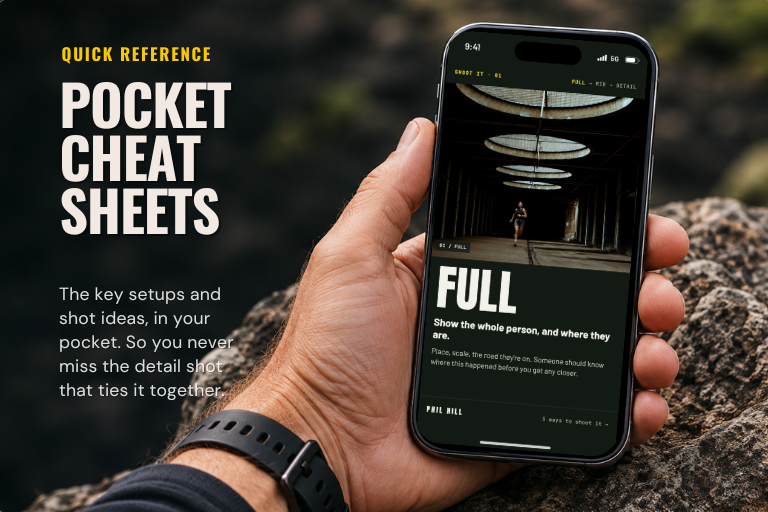
Pocket Cheat Sheets
On your phone, so you’re never stood in a car park trying to remember the settings for a panning shot. Starting settings included, plus a two-minute pack-up check so you never miss the detail shot that ties the set together.
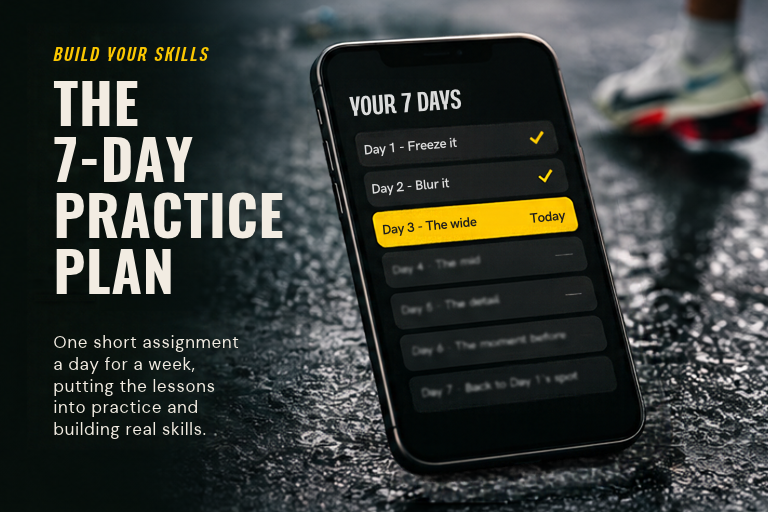
The 7-Day Practice Plan
One short assignment a day for a week, each practising one thing from the lessons, with whoever’s around. It’s the bit that turns watching into doing.
The Sports Shoot System + 7-Day Practice Plan + Shoot Planner + Pocket Cheat Sheets
£99 £49
These are the same techniques I use on brand shoots, including one that paid £60,000. Here, they’re yours for £49.
Total value: [Total Value]
Launch price: £99.
£49
Pre-sale price
Pre-sale price ends (close date)
A few words from people I've helped
Nobody’s been through the course yet. The first students are whoever gets in on this pre-sale. But I’ve walked a few photographers through this way of shooting, one to one. Here’s what two of them said.
TESTIMONIAL 1
TESTIMONIAL 2
30-Day Money-Back Guarantee
Try it for 30 days.
If your photos haven’t improved, and you're not happy with it for any reason, email [email protected] and you’ll get every penny back. No forms, no questions.
If I’ve done my job, you won’t need it.
Phill Hill
Why it’s only £49 right now
I’m filming and building it as we speak, and it lands in your inbox at the start of December.
Until [INSERT DATE] , it’s £49. That’s my thank-you to the people who back it before it’s even finished. After that it goes up to £99, and it stays there.
Here’s what happens next

You pre-order today. £49, before [CLOSE DATE].

It lands in your inbox at the start of December. You’ll be one of the first through it, at the lowest price it’ll ever be.

Your first shoot. Pick it now, while you’re thinking about it: a morning the week it lands, a mate who owes you a favour, and a spot within ten minutes of home. Put it in the diary. It’s the easiest way to make sure you actually use it.
Is this for you?
Yes, if
you know your camera and your sports photos feel a bit samey, or a bit lucky. And you want to be able to take better sports photos.
No, if
you’re still working out what aperture does, or you want a course on finding clients. And no, if you’re hoping a new lens will fix it. It won’t. I’ve checked. Or if you’d rather spend the next few years working it out on your own.
So, are you in?
The 7-Day Sports Photographer takes you through one real shoot, start to finish, then gives you seven days of practice, with the Shoot Planner and the Pocket Cheat Sheets to take out with you. It’s £49 until [CLOSE DATE], then £99. It lands at the start of December. Do the seven days, and if your photos haven’t improved within 30 days, you get your money back.
Years of trial and error, or one hour and seven days. Your call.
And if it’s not for you, no worries. I’ll keep posting free tips either way.
See you out there,
Phill Hill
P.S. If you’ve skipped to the bottom (I do it too): it’s a one-hour course and a week of practice that give you a simple plan for every shoot, instead of years of working it out yourself. £49 until [CLOSE DATE], then £99. Do the seven days, and if your photos haven’t improved within 30 days, you get your money back.
Questions
How long is it?
Under an hour. Watch it tonight, use it on your next shoot.
How much time does a shoot take?
A couple of hours. One mate, one spot near home.
Is it just camera settings?
No. They’re included, but they’re the easy bit.
Can’t I just learn this from free videos?
You can. I give plenty away myself. But you’ll spend months piecing together tips from different people, in no particular order, and still turn up on the day without a plan. This is the whole thing, in order, on one real shoot, in about an hour. If an hour of your time is worth more than a few months of searching, that’s the trade.
Do I need expensive kit?
Definitely not. There’s no minimum camera or lens, so start with whatever you’ve got. For years I bought older, second-hand kit before I bought anything new.
Should I buy this or a new lens first?
This, and I’d say that even if it wasn’t mine. A new lens changes how a photo looks. It doesn’t tell you where to stand, when to press the button or what to shoot next. Learn that first, and when you do upgrade, you’ll know exactly what you’re buying and why.
I’ve only got one fixed lens. Will this still work?
Yes. A fixed lens won’t give you every look, like the compressed look you get from a zoom, but it won’t stop you getting most of the shots.
Is it only for running?
No. Running is what I use to show it. It works for cycling, football, trail, or your kid’s Saturday match. On a golf course it’s the clubhouse, the first tee and the sand coming out of the bunker.
When do I get it?
At the start of December. You’ll get an email the moment it’s ready.
When am I charged?
Today, the moment you order. Your 30 Day guarantee begins the moment you get the product.
When does my 30 days start?
The moment you get the course. So you will have 30 days to practice before making the decision if it was worth it.
The 7-Day Sports Photographer · £49
Pop your details in below to pre-order at £49. It lands in your inbox at the start of December.